
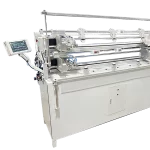
 Advanced Winding Machine #WMC
-150x150.webp) Automatic Winding Machine #WMB
Automatic Winding Machine #WMB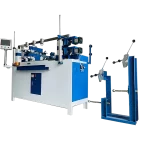 Automatic Winding Machine #WMA
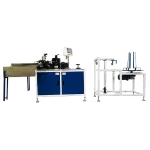 Ballend Twisting Machine #TM
 Wire Flattening Machine #FM
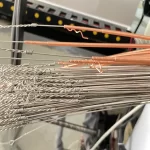 Piano String Winding Machine
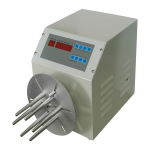 String Circling Machine
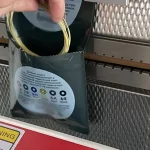 Packing Machine
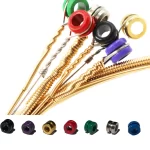 Guitar String & Bass String Ball Ends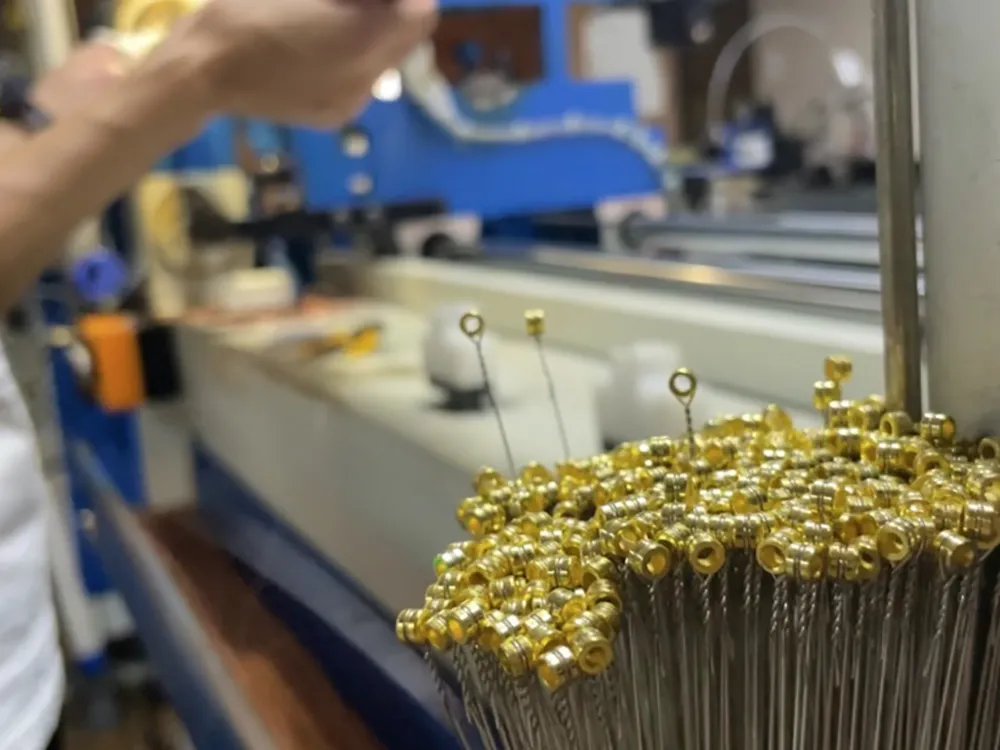
Introduction
In the ever-evolving world of string instrument manufacturing, the role of string processing machines has become paramount. These machines have revolutionized the way strings are produced, enhancing efficiency, precision, and the overall quality of the final product. In this blog post, we will delve into the fascinating world of string processing machines, exploring their history, technological advancements, and the significant impact they have had on the manufacturing of high-quality strings.
1. The Genesis of String Processing Machines:
- Tracing the origins of string processing machines back to their early days, where manual techniques were prevalent.
- The challenges faced by traditional methods and the need for automated solutions.
- The birth of the first string winding machines and their initial impact on the industry.
2. Technological Advancements: A Leap Forward in String Manufacturing:
- Exploring the technological advancements that have shaped modern string processing machines.
- Introduction of computer-controlled systems, enabling precise tension control and consistent winding patterns.
- Integration of advanced sensors and monitoring capabilities for enhanced quality control.
- Automation and simultaneous processing stations to optimize production efficiency.
3. Key Features and Functionalities of Modern String Processing Machines:
- Highlighting the essential features that define cutting-edge string processing machines.
- Customization options for string specifications, including diameter, winding tension, and materials.
- Multiple processing stations to accommodate different string types simultaneously.
- Advanced software interfaces for easy operation, monitoring, and adjustment.
4. Ensuring Quality and Consistency in String Manufacturing:
- How string processing machines have raised the bar for quality and consistency in string production.
- Precise control over winding tension, resulting in consistent string thickness and tension across batches.
- Reduction of human error and variability through automated processes.
- String testing and quality assurance protocols integrated into the machine workflows.
5. Future Trends and Innovations in String Processing Machines:
- A glimpse into the future of string manufacturing technology.
- Integration of artificial intelligence and machine learning algorithms for further optimization.
- Continued development of eco-friendly and sustainable manufacturing practices.
- The potential for increased customization options and flexibility in machine capabilities.
Conclusion
String processing machines have played a pivotal role in transforming the landscape of string instrument manufacturing. From their humble beginnings to the cutting-edge technologies of today, these machines have revolutionized the production of high-quality strings. By embracing technological advancements, manufacturers can now achieve unparalleled precision, consistency, and efficiency. As the industry continues to evolve, the future holds even more exciting possibilities, ensuring that the art of crafting exceptional strings will continue to thrive.

 English (Canada)
  English (United States)
  German
  French (France)
  Italian
  Spanish (Spain)
  Korean
  Czech
Czech  Arabic
  Russian
  Turkish
  Dutch
Dutch  Greek
Greek  Danish
  Spanish (Peru)
  Spanish (Chile)
  Spanish (Mexico)
  Spanish (Ecuador)
  English (Australia)
  English (UK)
  Spanish (Argentina)
  Japanese
  Myanmar
  Portuguese (Portugal)
  Swedish
  Panjabi
  Malay
Malay  Thai
Thai  Portuguese (Brazil)
  Vietnamese
  Tamil
Tamil  Nepali
  Bengali
  Welsh
Welsh  German (Austria)
  Icelandic
  French (Belgium)
  Armenian
  Uzbek
Uzbek  Indonesian
  Croatian
  Romanian
  Lao
Lao  Slovak
  Ukrainian
  Chinese
  Latvian
  Esperanto